When it comes to selecting a respirator, some may believe that N95s and KN95s provide the same, consistent level of protection. However, there are three key considerations that should be evaluated before selecting a KN95:
- Do you trust the source?
With the increased demand for facial protection, many counterfeit products have entered the healthcare market. These counterfeit products may not be capable of providing appropriate respiratory protection to workers. To help ensure that you are using a high-quality product that meet U.S. standards for effectiveness, NIOSH offers a website with a list of NIOSH-approved N95 respirators.1 - Does the mask provide a proper fit?
Not all respirators are designed the same and sizes can vary by manufacturer. In order to get the highest level of respiratory protection from potentially infectious viral or bacterial contaminants, properly fitted respirators must create a tight seal on the wearer’s face.2 Per OSHA guidelines, fit testing should be conducted annually; a passing fit test result indicates that the respirator achieves proper fit, and thus a high level of protection, for the wearer.3 Healthcare personnel wanting to use a specific N95 must first pass a fit test while wearing the desired respirator. - What type of head strap is used to affix the mask?
For N95s, NIOSH requires a head strap that goes fully around the head to consistently create a proper seal between the respirator and the face. Many KN95s rely on ear loops to secure the respirator, which based on limited assessment of ear loop designs, indicate difficulty achieving a proper fit.4
Gaps in the seal to the wearer’s face can let potentially infectious respiratory aerosols leak in or out around the edges of the mask.2 This can increase the risk of infection to the wearer or those around them.
Sinais de que um respirador N95 pode ser contrafeito<sup>:6</sup>
- No markings at all on the filtering facepiece respirator
- No NIOSH approval (TC) number on filtering facepiece respirator or headband
- No NIOSH markings
- NIOSH spelled incorrectly
- Presence of decorative fabric or other decorative add-ons (e.g., sequins)
- Claims for the of approval for children (NIOSH does not approve any type of respiratory protection for children)
- Filtering facepiece respirator has ear loops instead of headbands
Recursos adicionais
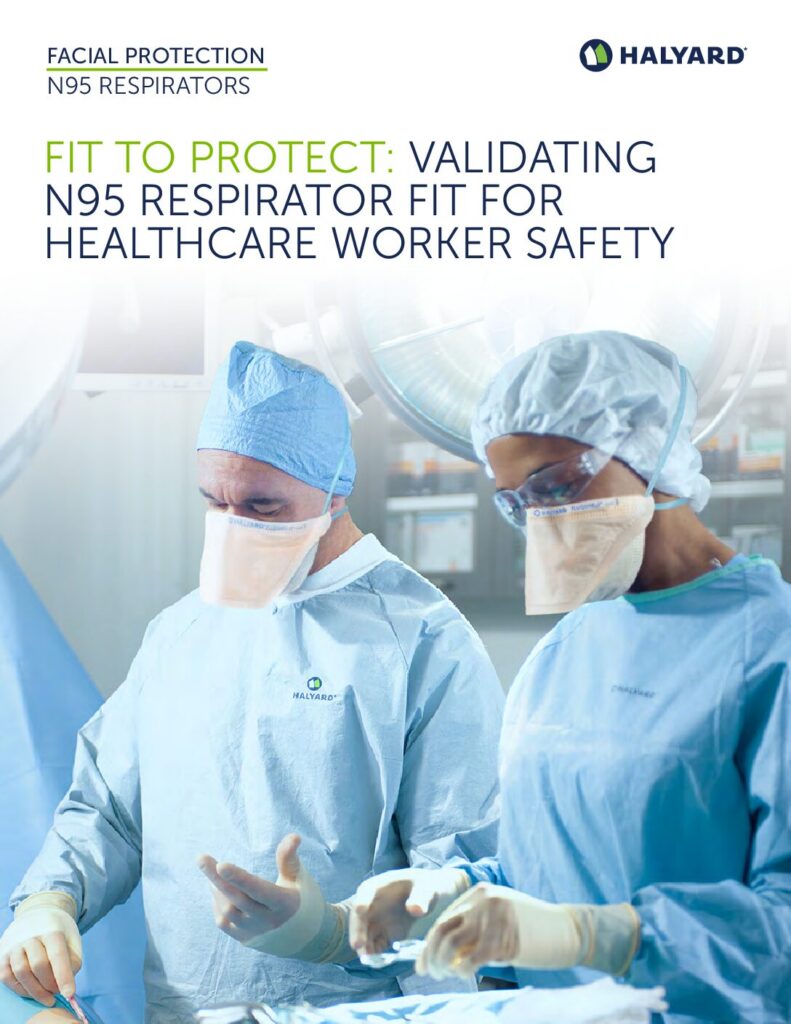
Fit To Protect – Validating N95 Respirator Fit For Healthcare Worker Safety
Proper N95 respirator fit is critical to protecting healthcare workers; even small gaps can render the respirator ineffective. But fit…

Essential PPE For Flu Season
For hospitals, health systems and medical workers alike, it is crucial to review your historical volumes and also evaluate your…

Tripledemic – Are You Prepared for What’s Ahead?
Continued Protection Throughout the Winter Concerns of a ‘tripledemic’ continue as individuals get sick with COVID-19, flu and respiratory syncytial virus (RSV) this winter. The Centers for Disease Control and Prevention (CDC) continues to anticipate that the winter respiratory disease season will likely result in a similar number of hospitalizations
FDA Revokes Emergency Use Authorization for KN95 Masks
Official FDA Release June 30, 2021 The U.S. Food and Drug Administration (FDA) is revoking the Emergency Use Authorizations (EUAs) for non-NIOSH-approved disposable respirators (revocation effective July 6, 2021) and the EUAs for decontamination and bioburden reduction systems (revocation effective June 30, 2021). As of the effective date of the

What’s The Difference: Surgical Masks vs N95 Respirators
Surgical Mask N95 Respirator Approval and Regulations Cleared by the U.S. Food and Drug Administration (FDA) and regulated under 21 CFR 878.4040. Regulated by the FDA, CDC NIOSH, OSHA. Evaluated, tested, and approved by NIOSH as per the requirements in 42 CFR Part 84. Intended Purpose Fluid resistant. Reduces wearer’s

Choosing the Right Face Mask: 3 Things to Know
3 things to consider when selecting facial protection in the healthcare setting 1. There are different types of medical face masks. Generally speaking, face masks fall into three key sub-groups: procedure masks, surgical tie masks, and N95 respirators. Masks that are authorized by the FDA are referred to as medical
- Centers for Disease Control and Prevention. (2022). NIOSH-approved N95 Particulate Filtering Facepiece Respirators. Retrieved January 20, 2022 from https://www.cdc.gov/niosh/npptl/topics/respirators/disp_part/default.html
- Centers for Disease Control and Prevention. (2022). Types of Masks and Respirators. Retrieved January 20, 2022 from https://www.cdc.gov/coronavirus/2019-ncov/prevent-getting-sick/types-of-masks.html
- United States Department of Labor. (n.d.). Respirator Protection Standard 1910.134. Retrieved January 20, 2022 from https://www.osha.gov/laws-regs/regulations/standardnumber/1910/1910.134
- Centers for Disease Control and Prevention. (2022). NPPTL Respirator Assessments to Support the COVID-19 Response. Retrieved January 20, 2022 from https://www.cdc.gov/niosh/npptl/respirators/testing/NonNIOSHresults.html
- U.S. Food and Drug Administration. (2021, June 30). Revoked EUAs for Non-NIOSH-Approved Disposable Filtering Facepiece Respirators. Retrieved January 15, 2022 from https://www.fda.gov/medical-devices/emergency-use-authorizations-medical-devices/revoked-euas-non-niosh-approved-disposable-filtering-facepiece-respirators
- Centers for Disease Control and Prevention. (2022). Counterfeit Respirators / Misrepresentation of NIOSH Approval. Retrieved January 20, 2022 from https://www.cdc.gov/niosh/npptl/usernotices/counterfeitResp.html