Articles
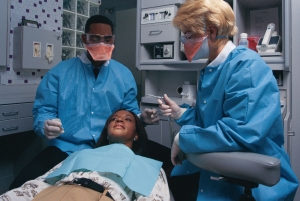
Packaging Dental Instruments for Sterilization
OSHA (Occupational Safety and Health Administration) OSHA’s mission is to save lives, prevent injuries, and protect the health of America’s workers. As part of the Department of Labor, OSHA (and the states that operate OSHA-approved state plans) establishes guidelines and standards to promote worker safety and health that apply to
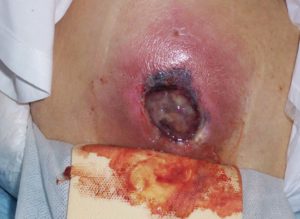
Pressure Ulcers in the Surgical Patient
Overview Medical personnel are challenged with preventing skin injury in the perioperative environment due to prolonged periods of patient immobility, compromised circulatory function under anesthesia, and preexisting conditions of many surgical patient populations. While great strides have been made in protecting the patient from skin injury, it is an issue
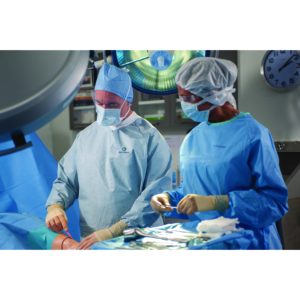
Is Your Surgical Gown Protecting You? What You Don’t Know May Hurt You
Introduction During invasive procedures, patients as well as the healthcare team are at risk for exposure to infectious agents through pathogen penetration of surgical gowns. Therefore, healthcare personnel should be aware of the relevant standards, guidelines, and professional recommendations that address surgical gowns. Through this knowledge, they are better equipped

Choosing the Right Face Mask: 3 Things to Know
3 things to consider when selecting facial protection in the healthcare setting 1. There are different types of medical face masks. Generally speaking, face masks fall into three key sub-groups: procedure masks, surgical tie masks, and N95 respirators. Masks that are authorized by the FDA are referred to as medical

Is it OK to recycle Halyard N95 Masks?
Halyard Responds HALYARD* N95 respirators are labelled as single use. The respirators are designed to be disposable and should be removed and discarded after exiting the patient’s room or care area and closing the door. Q: Do O&M N95s contain cellulose? A: No, O&M HALYARD* N95 surgical respirators do not
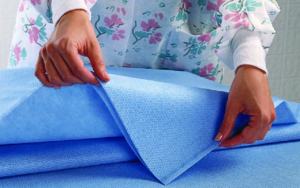
Can I Use Halyard Sterilization Wrap for DIY Masks?
Can I Use Halyard Sterilization Wrap for DIY Masks? O&M Halyard manufactures sterilization wrap under our HALYARD brand. The intended use of the product is for the sterilization of medical instruments and devices by healthcare professionals through various sterilization methodologies, and to maintain the sterility of its contents until use.

10 Questions to Ask Before You Stockpile
In the following pages, we intend to provide enough information for you to begin creating a stockpiling system that will accomplish those goals, whether the infectious outbreak risk is seasonal flu pandemic influenza a unique pathogen (such as Ebola virus). Before you begin stockpiling PPE, there are ten important questions

Dig Deeper Into Your GPO Relationship | Eight Tips to Maximize Your Contract
Group Purchasing Organizations (GPOs) are on the front lines of key health trends across the entire healthcare continuum. With this broad perspective, they are uniquely able to help healthcare providers confront many challenges. For instance, GPOs have helped their members with emergency preparedness, energy management, drug utilization management and value-based purchasing. Today
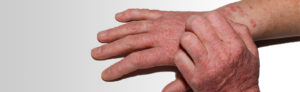
The Lesser Known Chemical Allergy from Gloves
Chemicals are a part of so many products, and those produced for healthcare environments are no different. Of the more than 4,000 environmental chemicals that have been identified as contact allergens, rubber glove chemicals are among the most frequent causes of allergic contact dermatitis (ACD) in healthcare workers. According to the CDC, contact
4 Things You Can Do Right Now to Get Ready for USP <800>
As of December 1, 2019, USP <800>, takes effect! These new guidelines are designed to reduce the risk of managing hazardous drugs and help reduce the risk to patients and healthcare workers. As a reminder, here's why it's so important to ensure your hospital is following the new USP <800>

Going Robotic Safely and Efficiently
If there is anything that we can count on in healthcare, it’s constant innovation. From new medicines to approaches to care delivery, the world of patient care is constantly evolving. One area where we have seen this in recent years is the increased use robotic-assisted surgery. Once seemingly something out

Don’t Slip Up: Preventing Slips, Trips and Falls to Keep Patients and Hospital Staff Safer
Slips, trips and falls (STFs) can happen anywhere, and hospitals are no exception. Whether in a patient room or an operating room, STFs are a potentially costly and largely preventable risk to both patients and hospital staff alike. Falls are of particular concern with patients over the age of 65,