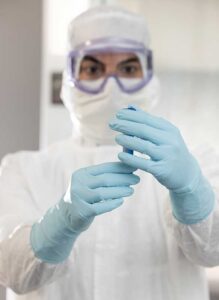
 Endotoxins are a primary component of the outer membrane of gram-negative bacteria. They are released into the circulatory system when the bacterial cell wall is disrupted1 or destroyed, either by antibiotics, the body’s immune system, or environmental factors.2
When that occurs, toxic substances that were previously bound to the bacterial cell wall are released into the human body. This can cause severe inflammatory responses such as fever and septic shock. Endotoxin is the most significant pyrogen, or fever-inducing substance, in parenteral drugs and medical devices.3 In people, endotoxins can lead to the complications cited above as well as disseminated intravascular coagulation (DIC), endotoxin shock and adult respiratory distress syndrome (ARDS).4
Endotoxins are prevalent in the environment – in water, waste, air and food – and can also be found in the human digestive tract. Some of the bacteria that can produce endotoxins are Escherichia coli, Salmonella and Shigella. Even small amounts of endotoxins can be dangerous to people.
If endotoxins enter the bloodstream via medical devices or intravenous medications, illness can result, posing a serious threat to patient safety. For manufacturers, this can lead to reputational damage and financial loss from product recalls or disruption to operations. Endotoxins can also affect scientific research, potentially contaminating samples and damaging results.
 If endotoxins enter the bloodstream via medical devices or intravenous medications, illness can result, posing a serious threat to patient safety. For manufacturers, this can lead to reputational damage and financial loss from product recalls or disruption to operations. Endotoxins can also affect scientific research, potentially contaminating samples and damaging results.
For these reasons, endotoxin levels must be controlled in healthcare settings, cleanrooms and pharmaceutical, biotechnology and medical device manufacturing facilities.
To safeguard patients, regulatory bodies in the U.S. and the EU have established endotoxin limits for medical devices and injectable medications. In both the U.S. and EU, devices that contact the cardiovascular or lymphatic systems must have endotoxin levels below 0.5 Endotoxin Units (EU)/mL or 20 EU/device, while those in contact with cerebrospinal fluid must have levels below 0.06 EU/mL or 2.15 EU/device.5 There are also stringent limits on injectable medications, with water for injections having an allowable endotoxin limit of 0.25 EU/mL.6 An Endotoxin Unit (EU) is a measurement of the biological activity of endotoxin, which directly correlates with its potential to cause fever (pyrogenic potential). Different bacterial species have varying EU-to-weight ratios. For example, 1 EU is approximately equivalent to the activity of 100 picograms (= 0.1 nanograms) of LPS from E. coli.
TESTING METHODS
There are several methods for detecting the presence of endotoxins. Tests should be done not only on medical devices and injectables but also on the raw materials used to make them.7 The tests include:
- Limulus Amebocyte Lysate (LAL) Test – uses blood cells from horseshoe crabs to detect bacterial endotoxins. The LAL test includes gel-clot, turbidimetric, and chromogenic methods.
- Rabbit Pyrogen Test – involves injecting the test substance into rabbits and monitoring their temperature response. This test has become obsolete as a result of ethical concerns and superior in-vitro alternatives.8
- Recombinant Cascade Reagent (rCR) and Recombinant Factor C (rFC) – in response to concerns about the use of horseshoe crab blood, the European Pharmacopoeia and the U.S. Pharmacopoeia now recognize these tests9, which employ synthetic alternatives for endotoxin testing.10
- Monocyte Activation Test (MAT) – uses human amebocytes and also detects non-endotoxin pyrogens
ENDOTOXIN REMOVAL
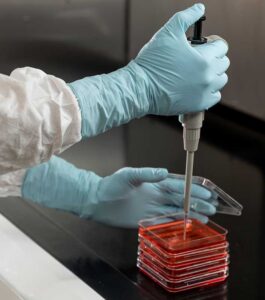 Once endotoxins are present in products, they are difficult to remove.11 That’s why it’s so important to keep endotoxin levels as low as possible in finished products and components.
Endotoxins can be removed by several methods including depyrogenation, such as dry-heat processes applied to glassware, rinsing,12 chromatography, ultrafiltration and detergent washing.
Another method, irradiation, may reduce the endotoxin load by denaturing some of the endotoxins that are already present. However, it will also increase the endotoxin load by killing any gram-negative bacteria present on the device or in the drug vial. That is why it is critically important for medical device manufacturers and pharmaceutical companies to maintain a low bioburden in their products before they are sent to final sterilization by irradiation.
GLOVES PLAY A CRITICAL ROLE
In healthcare, controlled environments, pharmaceutical, biotechnology and medical device manufacturing, adherence to clean or even aseptic work techniques is essential. For these reasons, the use of personal protective equipment (PPE) is required in these settings.
Gloves are a key element of this protection, and controlling endotoxin levels on sterile cleanroom gloves is crucial for preventing adverse patient reactions. To maintain patient safety and reduce the risk of infection or other complications, it’s vital to choose sterile gloves with proven low endotoxin levels – below 20 EU per pair, and even lower if possible. Not all sterile gloves fall within these limits, and there can be significant variations among manufacturers.
When it comes to protecting your processes, it is also essential for gloves to have low particle counts since particles can potentially introduce endotoxins into the work environment or contaminate medical devices or injectables.
The gloves you use must be produced with the right design, material and formulations, while maintaining the cleanliness of the product throughout the entire manufacturing process. When making your selection:
- Choose gloves that offer the highest levels of sterility assurance and undergo rigorous processing and postprocessing steps.
- Make sure they are manufactured and processed in an ISO 90001 cleanroom facility, and clean processed (washed repeatedly in de-ionized water) to ensure consistent control of low particles, extractables and endotoxin levels.
- Select gloves that are packaged in pairs in individual glove pouches and vacuum-packed in multiple layers of cleanroom-compatible polyethylene packaging.
In addition, you should confirm that the manufacturer conducts in-house testing to ensure low particles and endotoxin content that is less than 20 EU, and that the gloves are traceable by lot and batch number to comply with Good Manufacturing Practices, per ISO standards. In addition, make sure the gloves meet a Sterility Assurance Level (SAL) of 10-6 and are validated in accordance with standards such as ISO 11137.
Last, when searching for a glove manufacturing partner, you should always ask about the type of quality controls that are in place to deliver consistent, safe production, the recommended ISO level of the gloves as well as appropriate applications, and the manufacturer’s ability to provide technical documentation and support. With these guardrails in place, you will be in a much better position to safeguard your process, products and patient safety.
- “Endotoxin.” Endotoxin – an Overview | ScienceDirect Topics, www.sciencedirect.com/topics/chemistry/endotoxin Accessed 18 Aug. 2025.
- “What Are Endotoxins? Understanding Their Impact on Health and Environment.” Rupa Health, 14 Jan. 2025, www.rupahealth.com/post/
what-are-endotoxins-understanding-their-impact-on-health-and-environment#:~:text=Where%20Do%20Endotoxins%20Come%20
From,shock%2C%20or%20disseminated%20intravascular%20coagulation - “Endotoxin.” Endotoxin – an Overview | ScienceDirect Topics, www.sciencedirect.com/topics/chemistry/endotoxin Accessed 18 Aug. 2025.
- Ibid.
- Bacterial Endotoxins/Pyrogens, FDA, “http://www.fda.gov/regulatory-information/search-fda-guidance-documents/guidance-industrypyrogen-and-endotoxins-testing-questions-and-answers#_Toc315937935”www.fda.gov/regulatory-information/search-fda-guidancedocuments/guidance-industry-pyrogen-and-endotoxins-testing-questions-and-answers#_Toc315937935.
- FDA, https://www.fda.gov/inspections-compliance-enforcement-and-criminal-investigations/inspection-technical-guides/bacterialendotoxinspyrogens
- PharmTech, https://www.pharmtech.com/view/comparing-endotoxin-detection-methods
- Bacterial Endotoxin Testing: What Are the Pros and Cons of the Different Methods? SuperMicrobiologists, supermicrobiologistes.fr/en/bacterialendotoxin-testing-what-are-the-pros-and-cons-of-the-different-methods/.
- Ibid.
- Jennifer Tsang, PhD. “Horseshoe Crabs Break Free from Biomedical Testing.” The Scientist, www.the-scientist.com/horseshoe-crabs-breakfree-from-biomedical-testing-73214?utm_campaign=5750943-TS_News+Alerts_2025&utm_medium=email&_hsenc=p2ANqtz-8Tj1J5z2uz9J8CpPPE4uXBn47XYBMKv4wZySPbxaSuPi0H6LbSwIYRMZpSPkYJd-Xa-kcRdS8G4ssLOmcJfDYA6FmQtQ&_hsmi=375348589&utm_content=375348589&utm_source=hs_email Accessed 21 Aug. 2025.
- Affairs, Office of Regulatory. “Bacterial Endotoxins/Pyrogens.” U.S. Food and Drug Administration, FDA, www.fda.gov/inspections-complianceenforcement-and-criminal-investigations/inspection-technical-guides/bacterial-endotoxinspyrogens Accessed 18 Aug. 2025.
- Removal of Endotoxin from Protein in Pharmaceutical Processes | American Pharmaceutical Review – the Review of American Pharmaceutical Business & Technology, www.americanpharmaceuticalreview.com/Featured-Articles/190810-Removal-of-Endotoxin-from-Protein-in-Pharmaceutical-Processes/ Accessed 18 Aug. 2025.
The accepted rate of defects allowed to be released after passing though control processes is measured by AQL, the Acceptable…
Many common products — from smartphones to medical devices to medications — must be manufactured in cleanroom environments. Because these…
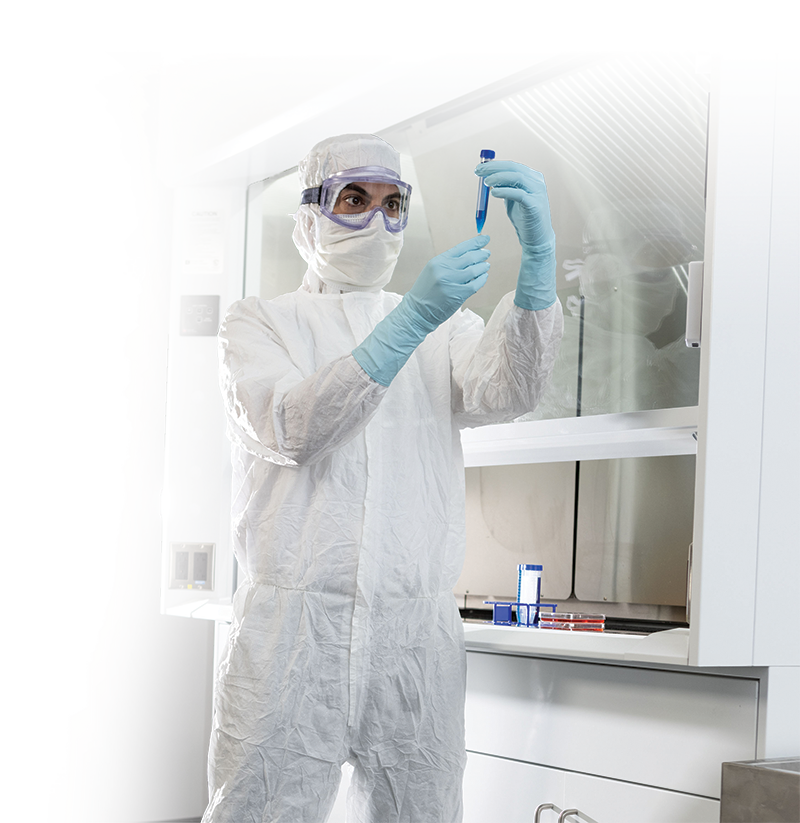
The work done in cleanrooms is important and highly specialized, and those working in this industry deserve gloves that reflect…
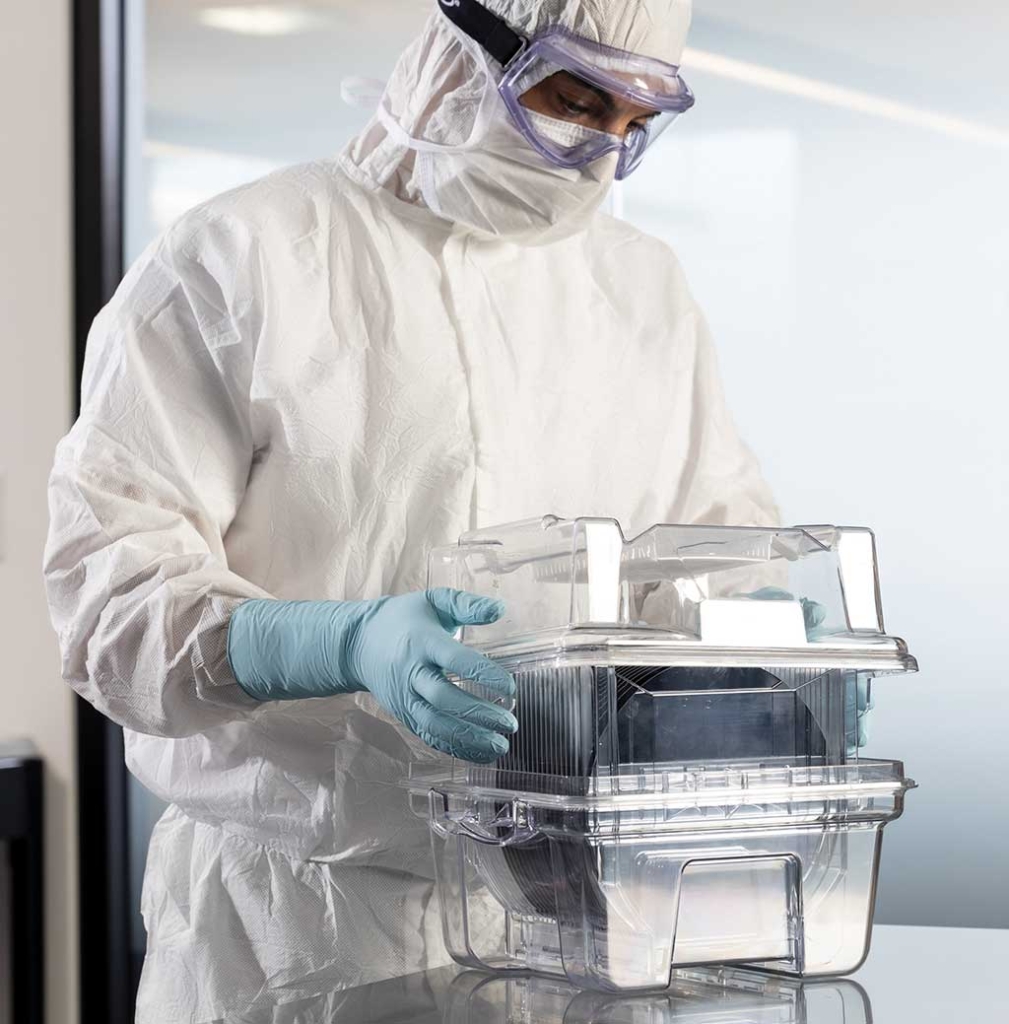
The work done in cleanrooms is sensitive, highly specialized and requires a glove that offers protection, as well as a…

At its core, a cleanroom is a specialized area of a facility that requires a strict contamination control strategy.
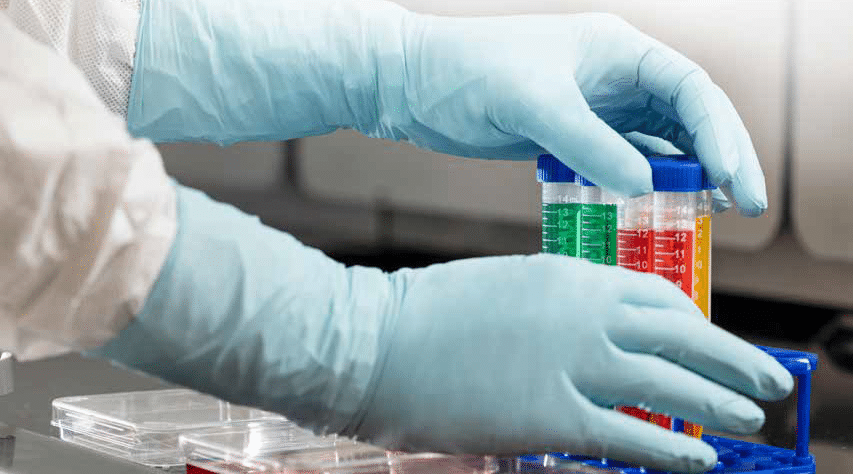
Gloves are a type of personal protective equipment (PPE) that are used in many different environments, from hospital exam rooms…