PUREZERO*
BEHIND THE INNOVATION
Working in a cleanroom can be characterized as a marathon, not a sprint. So it’s important the protective equipment worn, like gloves, is able to go the distance. Providing the necessary level of protection required, while ensuring one’s ability to work for long periods of time without causing skin irritation is imperative.
While many industries have moved away from latex gloves, latex is not the only common glove allergy. Accelerators are often used as part of the cleanroom glove manufacturing process to help stabilize the raw materials to form a strong, elastic product.
These accelerators used to produce many non-latex gloves can cause Type IV allergies, also known as a hypersensitivity reaction. This is an inflammatory reaction the body produces when exposed to certain allergens or accelerants. Natural rubber or sulfur-based chemical accelerators in non-latex gloves can cause allergic contact dermatitis (a common Type IV allergy), resulting in a rash with bumps or blisters that can impact the ability of cleanroom staff to properly do their job. According to the Centers for Disease Control and Prevention (CDC), cases of contact dermatitis lead to an estimated annual cost exceeding $1 billion.
For a clinician who changes gloves each time they enter an exam room, this may not be an issue, but for cleanroom employees who need to wear the same pair of gloves for an extended period of time, a reaction to the chemical accelerators can build up, especially for those with Type IV allergies. In one study focused on healthcare workers with hand eczema, all who switched to accelerator free gloves improved their situation, and two thirds of patients were completely free of symptoms.

A borracha natural ou os aceleradores químicos à base de enxofre em luvas que não sejam de látex podem causar dermatite alérgica de contacto (uma alergia comum do tipo IV), resultando numa erupção cutânea com inchaços ou bolhas que podem afectar a capacidade do pessoal das salas limpas para realizar correctamente o seu trabalho.
 Similar to how glove manufacturers and healthcare systems adapted to meet the needs of those with latex allergies by providing latex-free products, manufacturers have developed cleanroom gloves to meet the needs of those with Type IV allergies and sensitivities to latex or chemical accelerators. Brands, like HALYARD*, have developed and offer accelerator-free cleanroom gloves with low dermatitis potential. These gloves provide the same level of protection as traditional cleanroom gloves – recommended for use in ISO Class 3 cleanroom environments or higher, providing effective barrier protection against chemical splash, microorganisms and viruses – while still allowing for the flexibility and comfort needed when being worn over long periods of time.
The work done in cleanrooms is important and highly specialized, and those working in this industry deserve gloves that reflect the work they are doing. Accelerator-free cleanroom gloves, like HALYARD* PUREZERO* Nitrile Gloves, provide employees with the high level of barrier protection needed while reducing the risk of allergies and skin irritation; thus, allowing workers to focus on the job at hand, rather than what’s on their hands.
Recursos adicionais
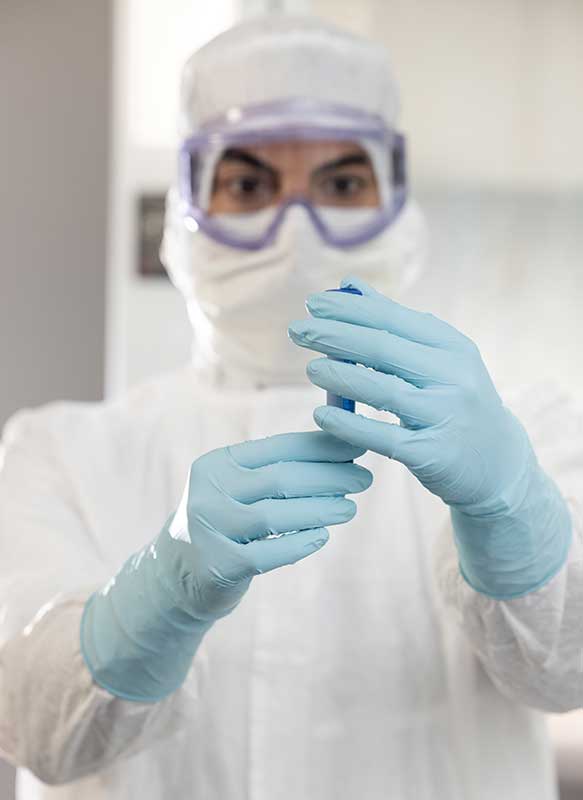
How to Select the Right Gloves for ESD Protection in Your Cleanroom
In cleanroom environments, electrostatic discharge (ESD) can silently sabotage sensitive electronics, ignite hazardous materials, or compromise sterile production. Choosing the…
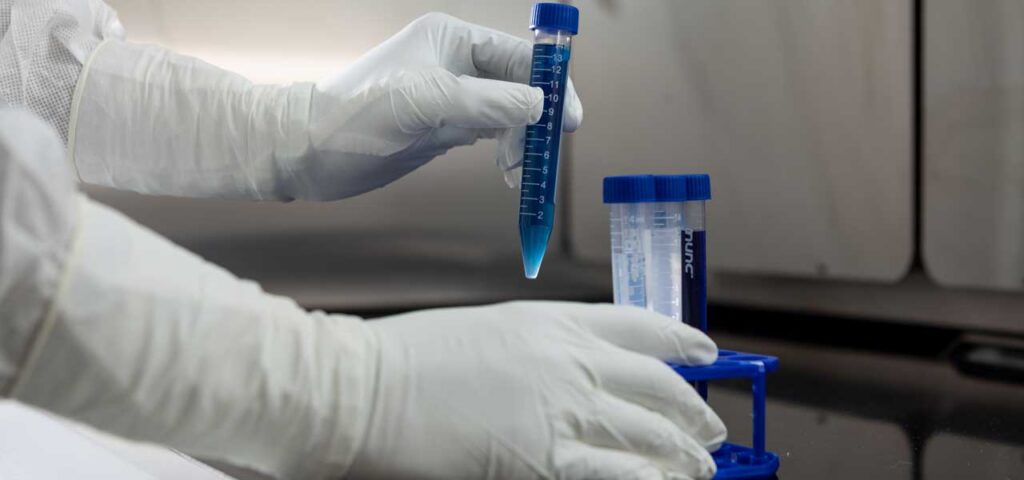
How to Protect Against Endotoxins in Your Cleanroom
Endotoxins are a primary component of the outer membrane of gram-negative bacteria.

A Legacy of Responsible Latex Glove Manufacturing
The Owens & Minor Safeskin facility is a testament to the company’s commitment to sustainability. Latex gloves are formulated from…

Achieving Optimum Safety In The Laboratory
Understanding Laboratory Safety: Labs require strict safety protocols to handle hazardous materials, such as using high-quality PPE and promoting a…
Understanding AQL For Gloves
The accepted rate of defects allowed to be released after passing though control processes is measured by AQL, the Acceptable…
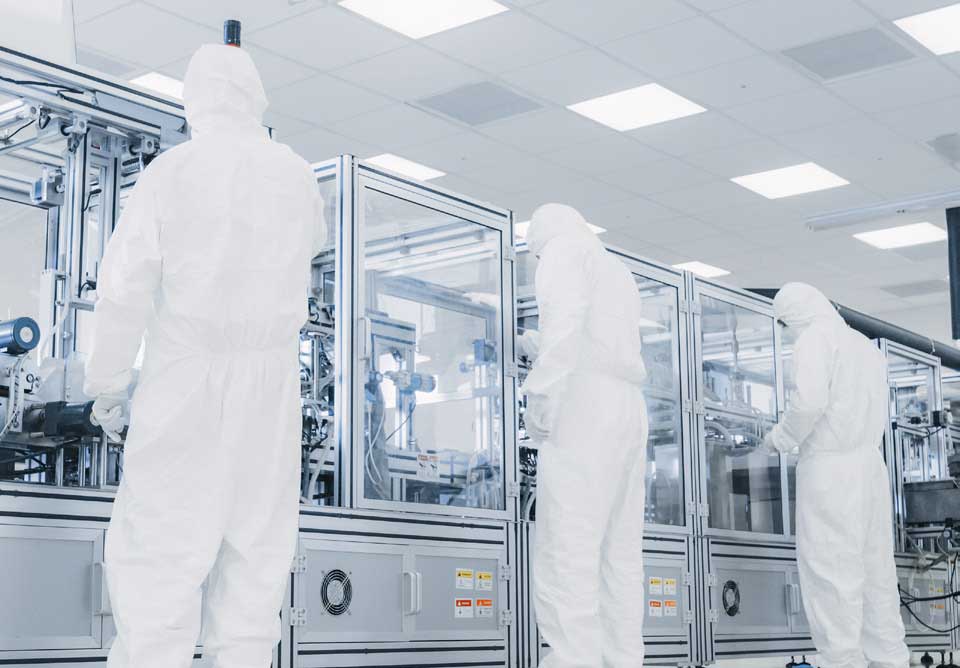
Selecting the Right PPE for Your Cleanroom
Many common products — from smartphones to medical devices to medications — must be manufactured in cleanroom environments. Because these…
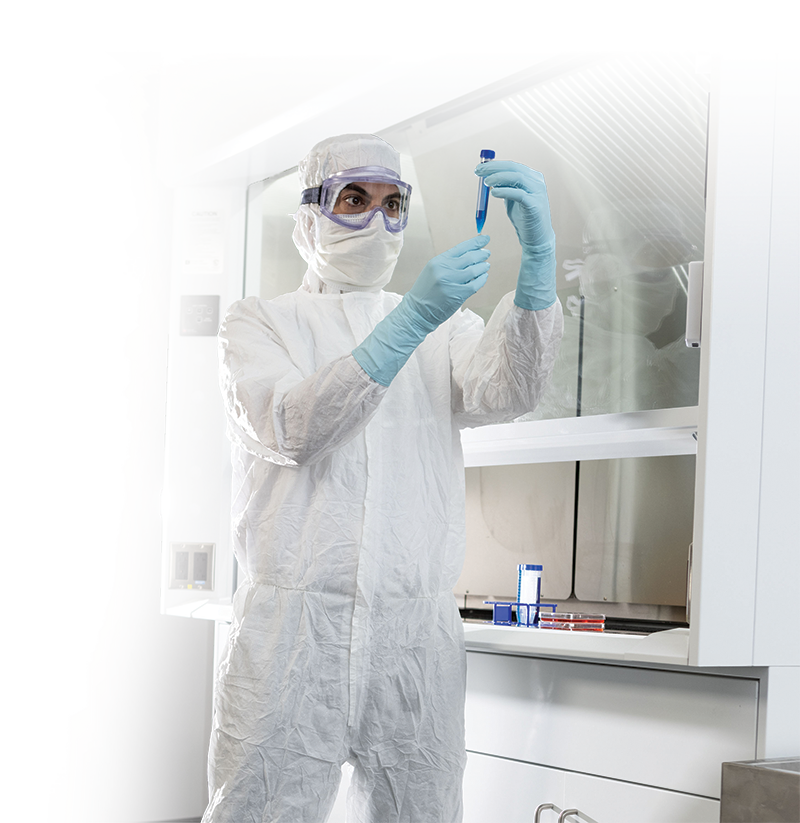
Providing Accelerator-Free Cleanroom Glove Protection
The work done in cleanrooms is important and highly specialized, and those working in this industry deserve gloves that reflect…
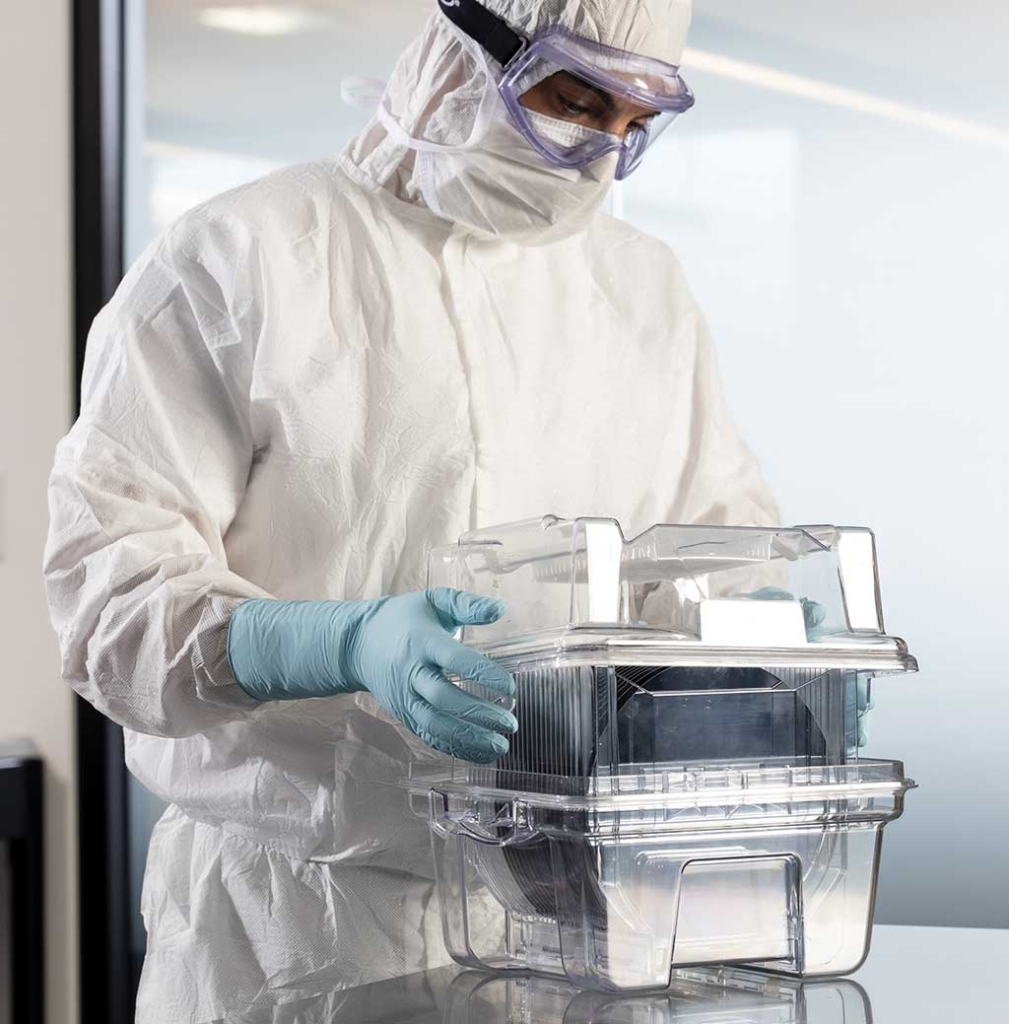
TEXTURE VS. GRIP: WHY IT MATTERS FOR YOUR CLEANROOM GLOVES
The work done in cleanrooms is sensitive, highly specialized and requires a glove that offers protection, as well as a…

Understanding the Importance Of Aseptic vs. Sterile Processes
At its core, a cleanroom is a specialized area of a facility that requires a strict contamination control strategy.

Manufacturing Gloves Destined For Cleanroom
Gloves are a type of personal protective equipment (PPE) that are used in many different environments, from hospital exam rooms…